
How Glass Configuration Impacts Energy Efficiency, Privacy, and Comfort?
A practical guide for window dealers to understand how glazing choices affect residential window performance, privacy, and everyday comfort.
When customers choose aluminum windows and doors, they often focus first on the frame design, opening style, and hardware. However, for window dealers, one of the most important factors behind overall window performance is the glass configuration.
The right glass configuration does much more than fill the opening. It directly affects energy efficiency, privacy, indoor comfort, sound insulation, and even the long-term value of a project. For residential homes, villas, apartments, and other custom projects, selecting the right glazing solution is just as important as choosing the right window system.
For window dealers, understanding glass configuration is not only useful for product selection. It is also essential for helping customers make better decisions and for recommending the right solution based on climate, design goals, and performance expectations.
What Is Glass Configuration?
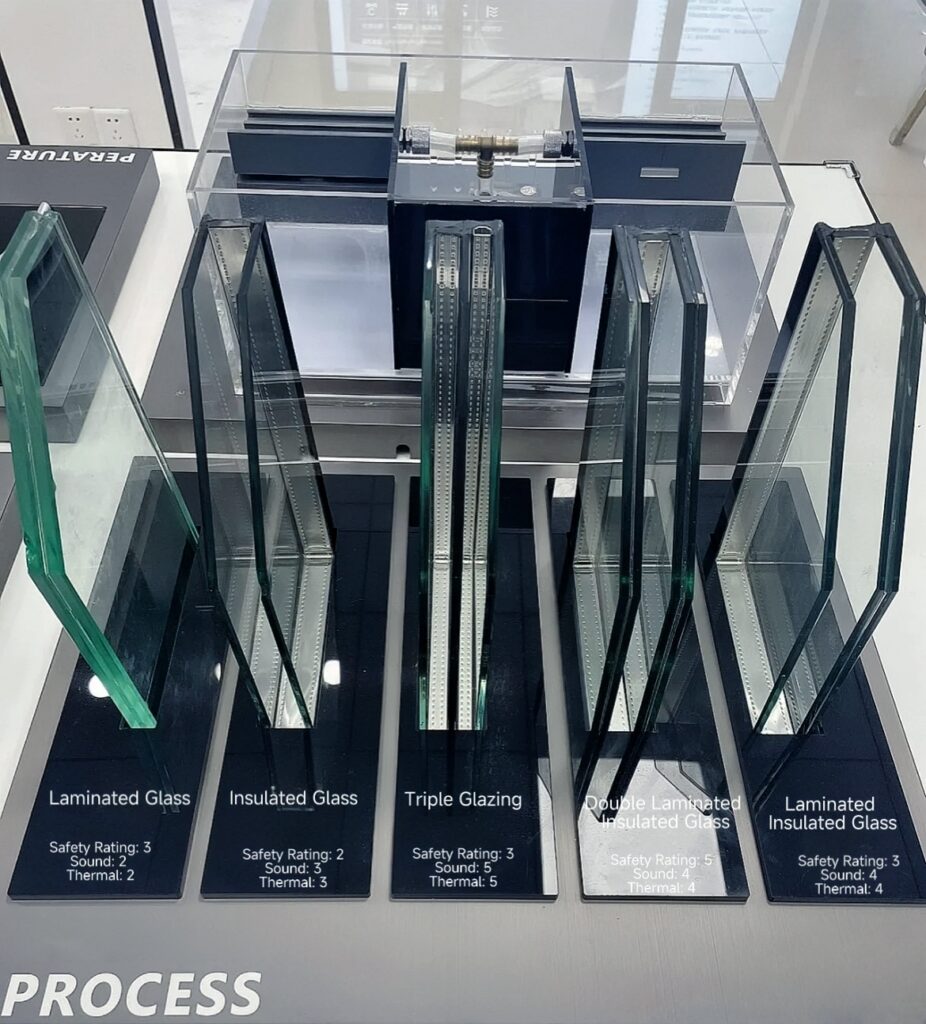
Glass configuration refers to the structure of the glazing unit used in a window or door. It typically includes factors such as:
- number of glass panes
- glass thickness
- spacer width
- coatings
- optional integrated shading systems
In practical terms, glass configuration defines how the glazing performs in real-life applications. A standard double-glazed unit may look simple, but small differences in build-up can lead to noticeable changes in thermal insulation, privacy, and indoor comfort.
Energy Efficiency Starts with the Right Glazing
Good glazing helps reduce heat transfer, stabilize indoor temperature, and improve year-round energy performance.
One of the main purposes of modern glazing is to improve energy efficiency. Compared with single glazing, double glazing helps reduce heat transfer and improves insulation. Spacer width and glass coatings also play an important role.
For example, Low-E glass can help reduce unwanted heat gain in hot climates and reduce heat loss in colder conditions. This helps create a more stable indoor temperature and lowers the demand for heating and cooling.
For window dealers, this is important because two windows may look similar, but their performance can be very different depending on the glass configuration.
Privacy Is More Than Blocking the View
Privacy is a key consideration in residential window design, especially for villas, street-facing homes, bedrooms, and bathrooms.
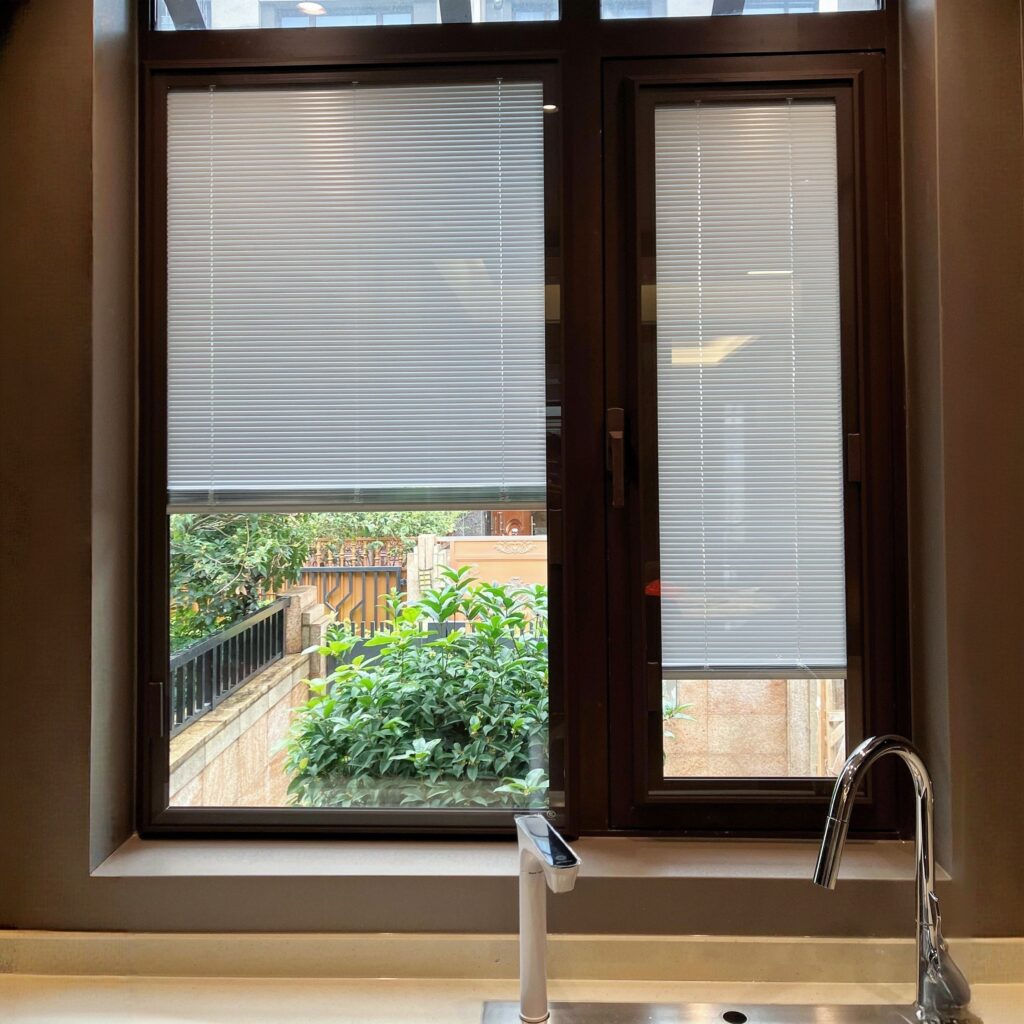
While some privacy glass options can reduce outside visibility, many homeowners also want flexible control over light and privacy throughout the day. This is why built-in blinds inside insulated glass units are becoming a popular choice in high-end aluminum window systems.
They offer adjustable privacy, better light control, and a cleaner look than traditional curtains or external shading.
For window dealers, this means glass configuration is not only about thermal performance. It also adds practical value for privacy-focused residential projects.
Recommended Glass Solutions by Project Type
High-End Homes
Balanced insulation, privacy, aesthetics, and daylight control.
Urban Apartments
Better sound reduction, glare control, and privacy for compact living spaces.
Villas with Large Openings
Stronger solar control, better comfort, and more flexible shading solutions.
Why It Matters for Window Dealers
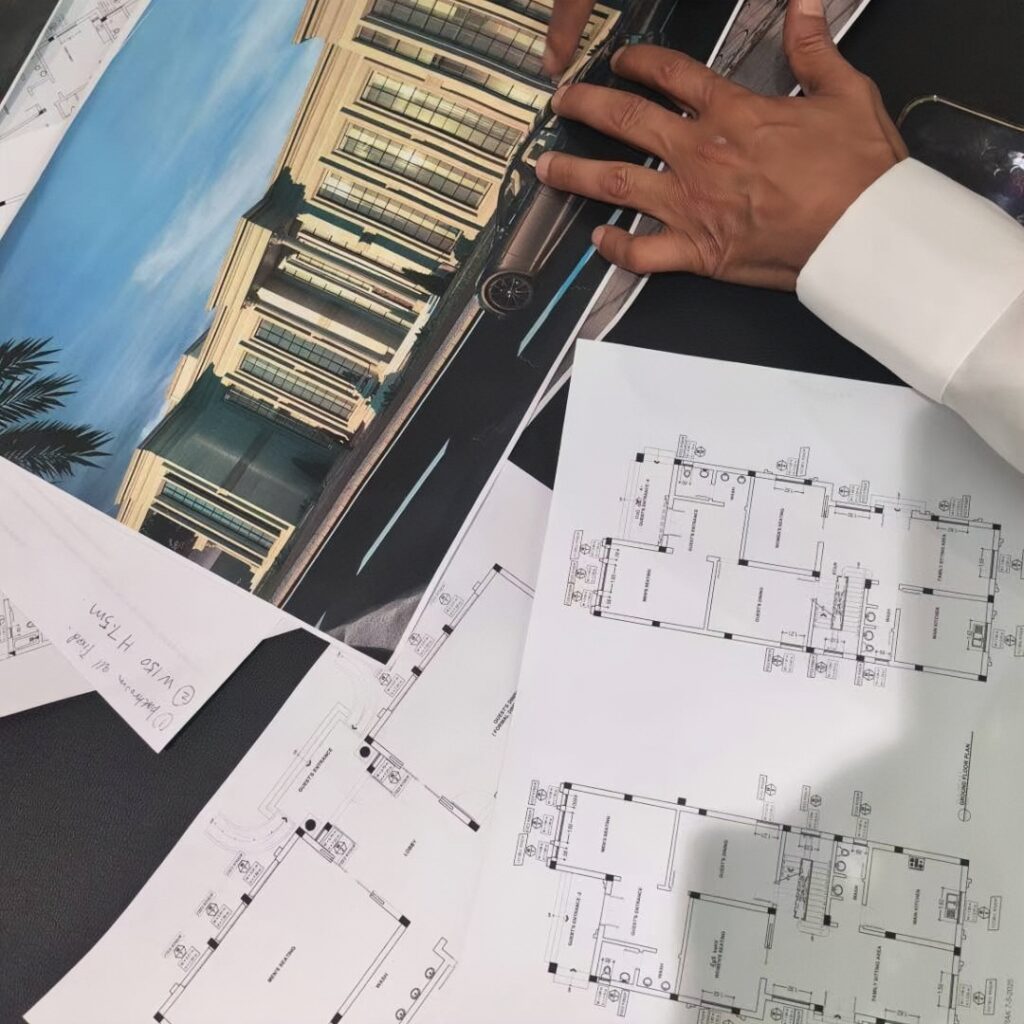
Understanding glass configuration helps window dealers:
- recommend more suitable window solutions
- explain product performance more clearly
- reduce the risk of mismatched specifications
- create more value for residential customers
Instead of selling only a product, dealers can offer a more complete project solution.
Final Thoughts
Glass configuration has a direct impact on energy efficiency, privacy, and comfort, making it a key factor in modern aluminum window and door systems.
For window dealers, understanding glazing options is essential for recommending the right solution for each project. The best glass build-up depends on the building type, climate, privacy needs, and performance goals.
By treating glass as part of the full window system, dealers can provide more professional support and create better value for their customers.